SECCIONES

BAJA
NEWS
21-09-2026
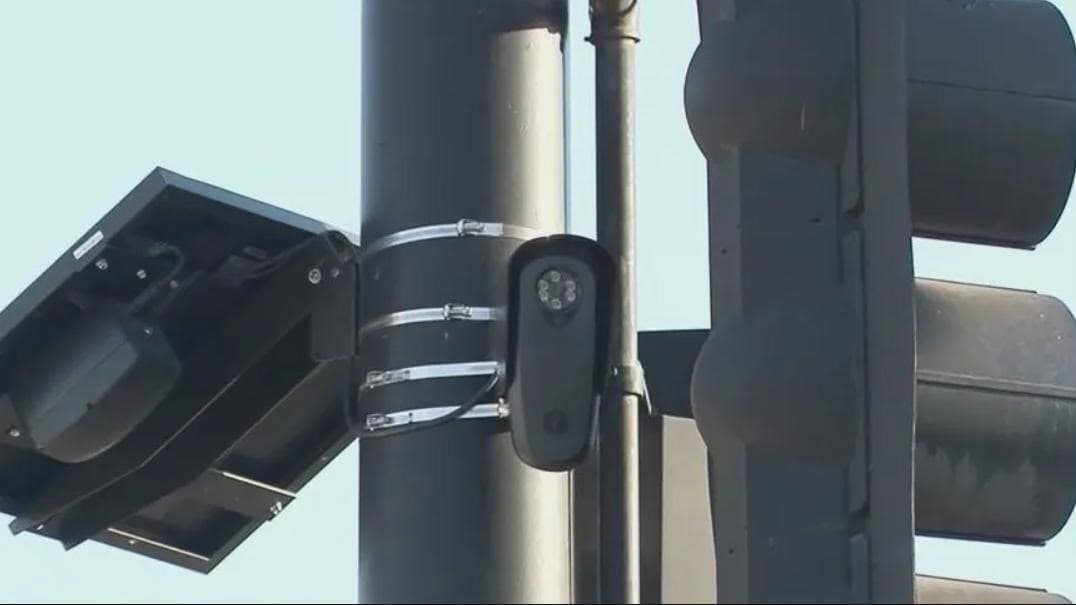
Foto: Web
The city has 732 documented automated license plate readers as debate grows over driver safety, surveillance and privacy
San Diego is among the U.S. cities with the highest number of automated license plate reader cameras, known as ALPRs, according to public data compiled by Finding Flock and analyzed by Axios San Diego.
The database lists 732 cameras across the city of San Diego, making it one of the largest documented concentrations in the country. The records were updated September 20 and are based on information collected and verified by volunteers, meaning they do not necessarily represent an official count of all cameras installed throughout the city.
The devices use technology to photograph vehicles traveling on public streets and record information such as license plate numbers and certain vehicle characteristics. Authorities can use the data to assist with investigations, as well as to locate stolen vehicles, wanted individuals and other vehicles potentially connected to criminal activity.
Maybe you might be interested: Gas prices in San Diego rise again, nearing $6.20 per gallon
The San Diego Police Department befan disclosing this year the reasons officers use automated license plate readers as part of new transparency and auditing measures. According to department data, officers conducted 114,692 searches using these systems since the beginning of 2026. Of those searches, 19,210 were related to stolen vehicles, 17,141 to arrest warrants and 13,221 to investigations involving shootings or weapons-related offenses.
The SDPD has also implemented new auditing measures that require officers to provide a case number for certain searches in an effort to strengthen oversight of how the technology is used.
The growing use of these systems has sparked debate between those who highlight their value as a law enforcement investigative tool and those who raise concerns about privacy and the possibility of creating detailed records of the movements of drivers who are not connected to any crime.
Across the country, communities have begun reviewing policies governing automated license plate readers, particularly regarding how long the information is stored, who can access it and under what circumstances it can be used.
In San Diego, the network of cameras continues to expand as authorities maintain that the technology can be a useful tool for fighting crime and locating vehicles or people connected to investigations. At the same time, the debate over the limits of surveillance and the safeguards needed to protect drivers' privacy continues to grow.

Autoridades revisaron los daños en viviendas e infraestructura, el restablecimiento de servicios bás ..
hace 2 horas

La salida y meta se ubicaron en la pista de la Unidad Deportiva CREA, donde participaron cerca de 70 ..
hace 2 horas

Durante 2026 se incorporaron 922 establecimientos de Tijuana y Playas de Rosarito a “Atrapa la Grasa ..
hace 3 horas
